
For many of us, Memorial Day signifies the end of a long holiday weekend and the start of a 4-day work week. History tells us that Memorial Day, originally named Decoration Day, was formalized by Commander-in-Chief John A. Logan on May 30, 1868, as a time for the nation to decorate the graves of the war dead with flowers. Around 5,000 people gathered at Arlington Cemetery for the first national commencement of Memorial Day. What they tried to erase was the ceremony on May 1, 1865, where freed slaves in Charleston, SC, organized a proper burial for Union Soldiers who had been buried in unmarked graves.

The burial site was a racetrack where Confederates held captured Union soldiers during the last year of the war. Two weeks before the event, it was reorganized into rows of grave sites by almost two dozen Charlestonians, complete with a 10-foot fence and an archway with the words “Martyrs of the Race Course” spelled across in black letters. The May 1st tribute, which started at 9 a.m., brought out around 10,000 mostly black residents of the area and was complete with a parade of 3,000 black children along with black pastors leading prayer and a picnic.
In the 1880’s, the Martyrs of the Race Course burial site was named Hampton Park, after the Confederate General Wade Hampton, and the graves were relocated to a national cemetery in Beaufort, S.C. In 1889, Memorial Day became a national holiday. Almost a century later, in 1968, it received a permanent home on the US calendar as the last Monday in May, which we know it today.

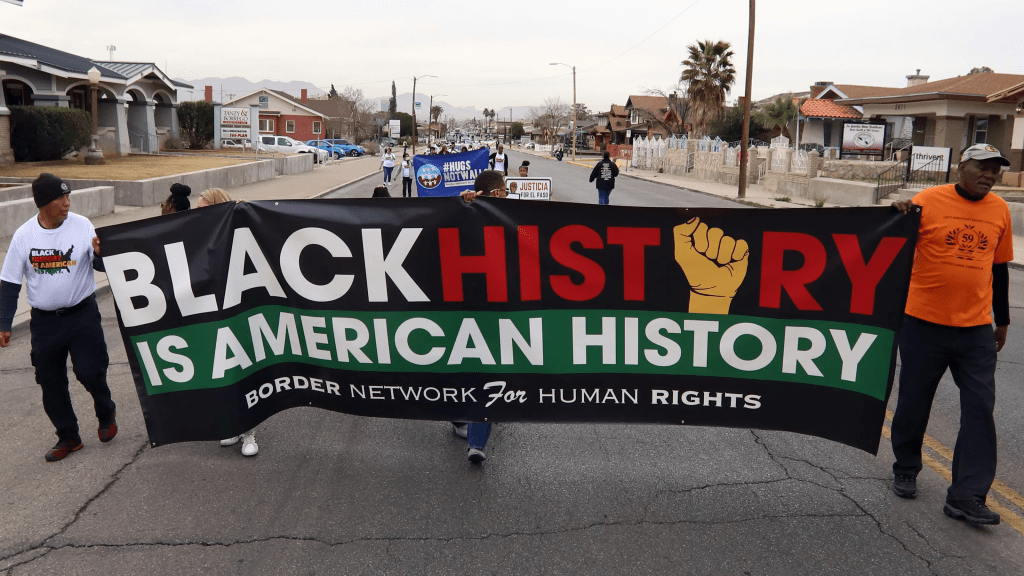
The Civil War remains THE bloodiest war of American History. Of the 620,000 men who fought, 179,000 were black men. Despite the warring conditions, black men still faced hardships and discrimination in terms of pay, equipment and treatment literally while fighting for their freedom. Recognizing the roots of Memorial Day in Black history doesn’t take away from the day—it enriches it. This deeper truth reminds us that Memorial Day, in its truest form, began with a tribute born from Black love, honor, and resilience.
 Copywriter | M. Miller
Leave a comment